
Online Degree vs Bootcamp: 2026 Comparison
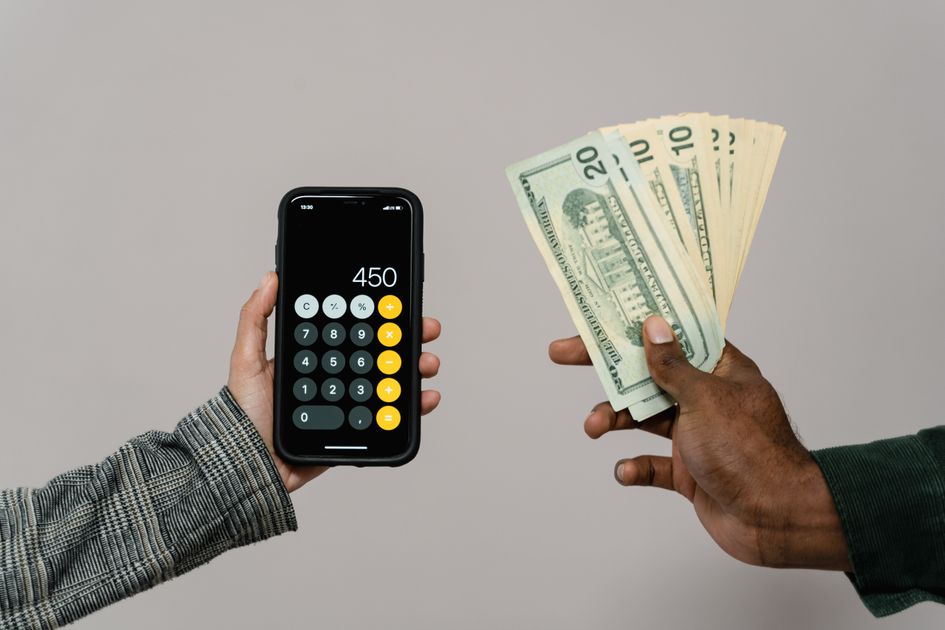 Photo by Tima Miroshnichenko on Pexels
Every career-switcher in 2026 hits the same fork in the road: pay $7,000–$40,000 for an accredited online degree that takes one to four years, or pay $7,000–$20,000 for a bootcamp that promises a job in three to nine months. The answer used to be straightforward — bootcamps were cheaper and faster. After the 2023–2024 tech layoffs and the bootcamp consolidation that followed, the math has changed. Big-name bootcamps now place graduates at lower rates than they advertise, while online CS master’s programs from Georgia Tech and UT Austin deliver six-figure outcomes for under $10K.
We pulled 2025–2026 outcome data from CIRR (Council on Integrity in Results Reporting), College Scorecard, and LinkedIn Talent Insights to make a real apples-to-apples comparison. This guide is for people who are seriously weighing both paths and want the numbers, not the marketing copy.
How This Guide Works
We modeled cost, time, salary outcomes, and employer recognition across four representative tracks: a competency-based bachelor’s (WGU), a top-tier online CS master’s (Georgia Tech OMSCS), a premium bootcamp (Hack Reactor / Springboard), and an affordable bootcamp (Codecademy Pro / Coursera Professional Certificate). Where bootcamps reported their own placement numbers, we triangulated against CIRR audited reports and skeptical reviews. We treated “outcome” as a verified job in the target field within 12 months — not the looser “any employment” metric.
| Path | Cost | Length | 12-mo Placement | Median Starting Salary |
|---|---|---|---|---|
| WGU Bachelor’s | $16,000 | 2.5 yr | 78% | $62,000 |
| Georgia Tech OMSCS | $7,000 | 2–3 yr | 92% | $142,000 |
| Hack Reactor Bootcamp | $19,000 | 7 mo | 71% (CIRR) | $86,000 |
| Springboard Data Science | $12,000 | 9 mo | 65% (CIRR) | $78,000 |
| Codecademy Career Path | $1,200 | 6–12 mo | 43% (self-report) | $61,000 |
Cost vs Career Outcome Reality Check
A bachelor’s or master’s degree is still the credential most U.S. employers screen for at the resume stage. According to a 2025 SHRM survey, 64% of employers in technical roles “strongly prefer” or “require” a bachelor’s degree even when bootcamp credentials are listed. Bootcamps shine for one specific use case — career switchers already holding a bachelor’s in another field who need a fast skills credential. They struggle for first-degree learners.
When an Online Degree Wins
1. You don’t have a bachelor’s yet
Most U.S. tech jobs filter for a four-year degree at the ATS layer. A bootcamp resume without a bachelor’s gets filtered out 40–60% of the time before human review.
2. You want long-term ROI
A bachelor’s holder earns ~$1.2M more than a high school graduate over their working life (BLS). A bootcamp doesn’t carry the same lifetime salary premium.
3. You’re targeting big tech or finance
Google, Meta, JPMorgan, and Goldman recruiters still filter for accredited degrees. Bootcamp grads land at scrappier startups, not FAANG.
4. You qualify for federal financial aid
Online degree programs accept Pell Grants and federal loans. Bootcamps generally don’t.
5. You want optionality
A degree opens doors to graduate school, professional licensure, and immigration pathways (H1B specialty occupation). Bootcamps don’t.
When a Bootcamp Wins
1. You already hold a bachelor’s
The strongest bootcamp ROI cohort is bachelor’s-holders pivoting from non-tech to tech (teachers, finance, marketing → software/data).
2. You need a job in nine months
Bootcamps compress curriculum aggressively. Top programs deliver job-ready skills in 6–9 months — impossible to match in a degree program.
3. Your target role is niche-tactical
UX design, full-stack web dev, and data analytics bootcamps still produce strong portfolios in less time than degree equivalents.
4. You learn fastest with cohorts
Live cohort-based bootcamps (Hack Reactor, App Academy) replicate the in-person feel better than asynchronous degree programs.
5. You’re cash-poor and can defer
Income share agreements (ISAs) and deferred-tuition models cover students who can’t pay upfront. Online degrees rarely offer this.
Five-Year Net Worth Outcome (Modeled)
| Path | Year 0 Cost | Year 5 Median Earnings | Year 5 Net Position |
|---|---|---|---|
| WGU Bachelor’s | −$16,000 | $385,000 | +$369,000 |
| Georgia Tech OMSCS | −$7,000 | $740,000 | +$733,000 |
| Hack Reactor | −$19,000 | $475,000 | +$456,000 |
| Springboard Data Science | −$12,000 | $420,000 | +$408,000 |
| Codecademy Career Path | −$1,200 | $325,000 | +$323,000 |
How to Choose
- Audit your current credential. If you already have a bachelor’s, a bootcamp can pay off in 12 months. If not, prioritize the degree.
- Map your target job listings. Read 20 listings for your dream role and count “Bachelor’s required” mentions.
- Run the five-year math, not the six-month math. Long-term career ceilings differ.
- Verify outcome reports — CIRR-audited bootcamps disclose honest placement; non-CIRR programs typically don’t.
- Consider stacking. WGU Bachelor’s + a 3-month focused bootcamp is one of the most cost-effective entries to tech.
Recommended Offers
💡 Editor’s pick: Online Degree path — WGU at $16K total for self-paced bachelor’s completers.
💡 Editor’s pick: Online Master’s path — Georgia Tech OMSCS at $7K total beats every bootcamp on ROI.
💡 Editor’s pick: Bootcamp path — Hack Reactor for software engineering, Springboard for data science.
FAQ — Online Degree vs Bootcamp
Q: Which is better for landing a tech job in 2026? A: For first-job seekers without a bachelor’s, the degree wins. For career switchers with a bachelor’s, bootcamps still produce competitive 9-month outcomes — when CIRR-audited.
Q: Are bootcamps still worth it after the 2023–24 layoffs? A: Yes, but more selectively. Stick to CIRR-audited programs and avoid pure ISA-only structures that incentivize predatory marketing.
Q: Can I do both? A: Yes — the highest-leverage path we see is a WGU Bachelor’s in IT plus a focused certificate or short bootcamp ($16K + $4K) for under $20K total.
Q: Do bootcamps qualify for federal aid? A: Almost never. They typically rely on income-share agreements, employer sponsorships, or upfront payment.
Q: What’s the average bootcamp salary in 2026? A: $61–$86K median starting salary depending on track, per CIRR audited reports.
Q: Is a free bootcamp legitimate? A: Sometimes — Microsoft Software & Systems Academy and 100Devs are reputable free programs, but most “free” bootcamps charge via ISA after employment.
Related Reading on Next Europa
- Best Coding Bootcamps 2026
- Best Online Computer Science Degrees 2026
- Best Online Data Science Degrees 2026
- How to Choose an Online Degree in 2026
- Best Online Learning Platforms 2026
Final Verdict
The “online degree vs bootcamp” debate in 2026 is no longer a binary choice — it’s a sequencing question. If you don’t have a bachelor’s, get one online (WGU, SNHU, or UF Online) and stack a focused bootcamp afterward. If you already have a bachelor’s in any field, a CIRR-audited bootcamp like Hack Reactor or Springboard can transition you into tech in under a year. The worst outcome we see consistently is a bootcamp-only resume without a degree applying to FAANG roles — those resumes simply don’t clear the ATS. Plan accordingly.
This article is for informational purposes only and is not academic or financial advice. Tuition, accreditation, and program details are accurate as of publication and subject to change. Next Europa may receive compensation for some placements; rankings are independent.
By Next Europa Editorial · Updated May 9, 2026
- online degree
- bootcamp
- 2026
- education